
March 12, 2026/
No Comments
In today’s fast-paced, volatile business landscape, effective leadership is no longer just about managing teams—it’s about inspiring transformation, fostering resilience,...
A top business coach does much more than simply provide advice; they become a trusted partner who helps you refine your vision, set realistic goals, and build the habits that will sustain long‑term success. In the Indian context, where market volatility and rapid change are constant factors, having an experienced coach can be the difference between thriving and merely surviving.
In recent years, the global coaching industry has expanded, and India is no exception. As more businesses and professionals recognize the value of structured guidance, the concept of business coaching has evolved into a recognized profession. Modern coaching addresses diverse areas such as strategic planning, leadership development, and personal effectiveness. In a country with significant cultural and economic diversity, professional coaching helps leaders navigate complex challenges and seize opportunities unique to the Indian market.
Selecting a coach isn’t simply about reputation; it’s about finding a professional who possesses a blend of experience, certifications, and empathy. Top coaches are often certified by internationally recognized organizations, have a proven track record of guiding businesses through growth phases, and are adept at asking powerful questions that reveal underlying issues. Importantly, they maintain an objective perspective while staying committed to your outcomes. Integrity, communication skills, and the ability to customize strategies to individual businesses are hallmarks of quality coaching in India.
Names such as Saurabh Kaushik, Ram Charan, Rahul Jain, and Rajiv Talreja frequently appear on lists of the most influential coaches in India. These professionals have carved niches by working with high‑growth startups, family businesses, and multinationals. For example, some coaches specialize in personal performance and mindset, helping CEOs overcome limiting beliefs and strengthen leadership presence. Others focus on organizational systems, ensuring teams are aligned and processes are efficient. While each coach offers a distinct style, what unites them is their commitment to measurable outcomes and sustainable transformation.
Effective coaching begins with an assessment of the current business state, including financial health, leadership dynamics, and market position. From there, the coach and client collaboratively set goals that are specific, measurable, achievable, relevant, and time bound. Sessions are structured to address immediate challenges while also building long‑term capability. Tools such as 360‑degree feedback, SWOT analysis, and accountability frameworks are used to surface blind spots and track progress. In India, coaching engagements often blend in‑person and virtual sessions to accommodate busy schedules and geographic diversity.
Working with a seasoned professional produces both tangible and intangible benefits. On the tangible side, businesses often report improved revenue growth, better cost control, and higher customer satisfaction after structured coaching. The intangible benefits—sharper decision making, heightened confidence, and healthier work culture—are equally significant. A coach provides unbiased feedback and helps leaders stay focused on the bigger picture. In challenging economic climates or highly competitive sectors, this guidance can be invaluable.
Among the many coaching providers, Erickson International has emerged as a preferred partner for businesses in India. Their certified programs are grounded in solution‑focused methodology, which means coaches help clients identify strengths and build on what works. This approach is both empowering and practical. Erickson’s coaches are trained to ask thought‑provoking questions, facilitate collaborative problem solving, and develop actionable strategies. Whether you’re a first‑time entrepreneur or the head of a multinational corporation, Erickson’s programs offer a structured path to growth.
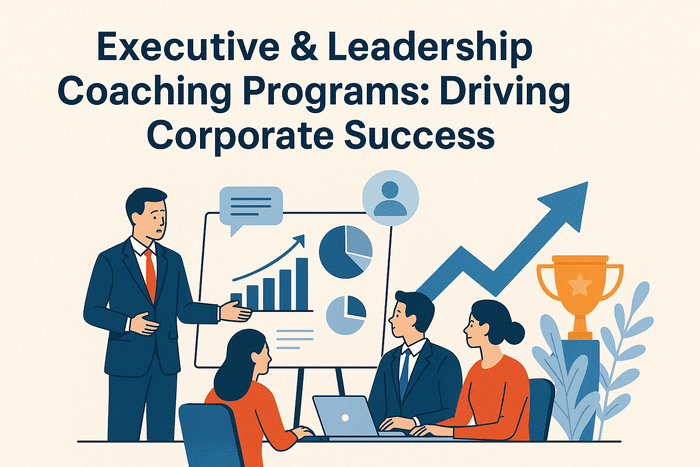
The corporate landscape is evolving faster than ever, and leadership roles have become more complex. Today’s executives must navigate technological disruption, shifting consumer expectations, and diverse workforces. Executive coach India programs are designed to equip senior leaders with the tools and mindset needed to thrive in this environment. Unlike generalized training, executive coaching is personalized and focuses on the individual’s unique strengths and challenges.
Executive coaching offers leaders a confidential space to reflect, strategize, and refine their leadership style. At the senior level, decisions have far-reaching consequences, making clarity and confidence essential. A coach serves as a sounding board, challenging assumptions and encouraging innovative thinking. In India, where many companies are family owned or transitioning into professional management structures, executive coaching bridges generational gaps and fosters alignment on vision and values.
When you enroll in an executive coaching program, you embark on a structured journey that typically spans several months. The process begins with a comprehensive assessment, including personality profiles and stakeholder feedback. From there, you and your coach co‑create a development plan that outlines goals, milestones, and metrics for success. Regular sessions focus on specific themes such as emotional intelligence, conflict resolution, strategic communication, and delegation. Coaches may employ role‑playing exercises, visualization techniques, and reflective journaling to deepen learning.
The return on investment for executive coaching can be substantial. Improved strategic thinking leads to better decisions, which translates into stronger financial performance. Enhanced communication skills foster a culture of trust and collaboration, reducing turnover and increasing employee engagement. Leaders also learn to manage stress effectively, avoiding burnout and maintaining consistent performance. Companies that invest in leadership development often report increased resilience in the face of market disruptions.
Finding a coach is a personal decision. It’s important to select someone whose approach aligns with your values and objectives. When evaluating potential coaches, consider their credentials, industry experience, and coaching style. Some leaders prefer a coach with direct experience in their sector, while others benefit from a cross‑industry perspective that brings fresh ideas. Client testimonials, case studies, and trial sessions can help determine if a coach is the right fit. Remember that coaching is a partnership; both parties must be committed to the process for it to be successful.
Erickson’s executive coaching programs stand out because of their structured methodology and global perspective. Coaches are trained in solution‑focused techniques that emphasize future possibilities rather than past failures. They help leaders articulate a compelling vision, align their teams, and execute with precision. Erickson also offers group coaching options, where senior leaders work together to solve shared challenges, fostering collaboration and collective growth. With a strong track record of working with multinational corporations, family businesses, and high‑growth startups, Erickson offers programs tailored to India’s dynamic business environment.
Entrepreneurship in India is booming. With initiatives like Startup India and improved access to funding, more founders are launching companies across sectors. While passion and innovation drive many ventures, sustainable success requires structure, discipline, and strategic foresight. A business coach for startups India plays a pivotal role in bridging the gap between visionary ideas and practical execution. From early‑stage planning to scaling operations, coaching helps new businesses build solid foundations.
Startups often operate with limited resources and face intense competition. Founders juggle multiple roles, from marketing to product development to finance. In this environment, it’s easy to lose focus or become overwhelmed. A coach helps entrepreneurs prioritize tasks, set achievable milestones, and maintain a balanced perspective. They also provide an external viewpoint, identifying blind spots that internal teams may overlook. For first‑time entrepreneurs, coaching can be an invaluable source of mentorship and accountability.
One of the biggest challenges for startups is developing a business model that scales. Coaches guide founders through market research, customer segmentation, and pricing strategies to ensure there is a clear path to profitability. They help you evaluate revenue streams, test assumptions through minimum viable products (MVPs), and pivot when necessary. In India’s diverse market, understanding regional nuances and consumer behavior is critical. A coach can help you tailor your offerings to different demographics while maintaining operational efficiency.
Securing capital is often a major hurdle for startups. Coaches assist founders in preparing investor pitches, refining business plans, and building financial projections. They also advise on bootstrapping, angel investment, venture capital, and government grants. Beyond fundraising, sound financial management is essential for sustainability. Coaching encourages disciplined budgeting, cash flow analysis, and risk mitigation. By developing financial literacy early, founders are better positioned to make informed decisions that support long‑term growth.
As a startup grows, building the right team becomes crucial. Coaches help founders define culture, recruit key talent, and create onboarding processes that reflect the company’s values. They also encourage leaders to delegate effectively, develop the skills of new managers, and foster a culture of continuous improvement. In the Indian ecosystem, where attracting and retaining skilled professionals can be challenging, a structured approach to people management can be a competitive advantage.
Erickson’s programs for startups and SMEs are designed to be flexible and practical. They focus on creating clear roadmaps that align with founders’ vision and market realities. Coaches guide entrepreneurs through feasibility studies, branding, legal compliance, and market entry strategies. With a supportive yet challenging approach, Erickson helps founders make informed choices that set their ventures up for sustainable growth. Their global expertise and local understanding make them an ideal partner for entrepreneurs looking to scale successfully.
Cost is often a deciding factor when businesses consider professional coaching. Understanding the cost of business coaching in India requires examining the variables that influence pricing and the value derived from coaching. While some may view coaching as an expense, it should be seen as an investment that yields measurable returns in terms of leadership capability, organizational efficiency, and profitability.
Several elements determine the price of coaching programs. Coach experience and credentials play a significant role; highly sought‑after coaches with extensive track records command higher fees. The duration and intensity of the engagement also affect cost—short, focused sessions may cost less than long‑term programs that include assessments, stakeholder interviews, and ongoing support. Group coaching can be more cost‑effective than one‑on‑one sessions, though it may not offer the same level of personalization. Location can influence price as well; coaches in metropolitan areas often charge more due to higher overhead.
Business coaching fees in India vary widely. Hourly rates for individual sessions can range from INR 5,000 to INR 25,000 or more, depending on the coach’s reputation and expertise. Comprehensive packages spanning several months may cost anywhere from INR 50,000 to INR 2,00,000 or higher. For executive coaching at the C‑suite level, fees may be higher due to the complexity of the issues involved and the confidentiality required. Some providers offer tiered pricing with different levels of support, allowing businesses to choose the option that best fits their budget and goals.
When evaluating cost, it’s essential to consider the potential ROI. Coaching helps leaders develop skills that directly impact revenue growth, cost savings, and employee retention. By making better decisions and improving operational efficiency, clients often recoup the cost of coaching many times over. Improved leadership can reduce turnover and increase productivity, translating to financial gains far beyond the initial investment. Additionally, intangible benefits such as increased confidence and strategic clarity can have ripple effects across the organization.
While premium coaching programs can be costly, there are ways to make them more accessible. Group coaching allows multiple participants to share the cost while still benefiting from professional guidance. Many coaches also offer sliding scale fees or customized payment plans. Government initiatives and industry associations occasionally subsidize coaching for small businesses and startups. It’s worth discussing your budget and needs with potential coaches to find a solution that delivers value without overstretching your resources.
Erickson believes in transparent pricing and delivering exceptional value. They offer various packages tailored to different business sizes and objectives. Programs include a clear outline of services, duration, and expected outcomes so clients understand exactly what they are paying for. By focusing on results and accountability, Erickson ensures that every rupee invested translates into measurable progress. The company also provides ongoing support and resources, maximizing the long‑term impact of coaching engagements.
Developing a robust growth strategy requires a deep understanding of market dynamics, competitive forces, and organizational capabilities. Businesses looking to expand in India must navigate diverse consumer behavior, regulatory frameworks, and regional differences. A comprehensive business growth strategy India engagement covers market research, strategic planning, and execution support, ensuring companies can scale sustainably.
India is a vast and heterogeneous market. Consumer preferences vary by region, and purchasing power differs across urban and rural areas. To create a growth strategy, businesses must conduct thorough market research, analyze economic indicators, and identify emerging trends. Understanding regulatory requirements and cultural nuances is crucial for both domestic growth and international expansion. A coach or consultant provides objective insights and frameworks to analyze the external environment and adapt strategies accordingly.
Various frameworks guide strategic planning, from classic tools like SWOT analysis and Porter’s Five Forces to more modern approaches like the Business Model Canvas and the Blue Ocean Strategy. These frameworks help businesses evaluate internal strengths, identify unique value propositions, and find uncontested market spaces. In India, where competition can be fierce and margins thin, a differentiated strategy is essential. Coaches facilitate workshops and brainstorming sessions to apply these frameworks effectively.
A well‑designed strategy is only as effective as its execution. Growth consulting focuses on translating plans into actionable initiatives. This includes defining key performance indicators (KPIs), establishing timelines, and assigning responsibilities. Operational excellence involves optimizing processes, improving supply chains, and leveraging technology. Coaches work with cross‑functional teams to break down silos and ensure everyone is aligned with the growth agenda. Continuous monitoring and agility are vital; businesses must be ready to pivot as market conditions evolve.
Innovation is a cornerstone of sustainable growth. Companies that invest in research and development, foster a culture of experimentation, and seek strategic partnerships are better positioned to stay ahead. Diversification—whether by entering new markets, launching complementary products, or acquiring smaller companies—can spread risk and open up new revenue streams. A coach helps evaluate diversification opportunities, ensuring they align with the company’s core competencies and long‑term vision.
Erickson’s approach to growth strategy consulting combines global best practices with local insights. Coaches guide businesses through market analysis, competitive benchmarking, and scenario planning. Their solution‑focused methodology encourages creative problem solving and empowers teams to take ownership of their growth agenda. With experience across industries—from technology and manufacturing to healthcare and consumer goods—Erickson provides tailored recommendations that reflect each client’s unique context. Their emphasis on ethical leadership and sustainable practices ensures that growth is not only profitable but also socially responsible.
In today’s fast-paced, volatile business landscape, effective leadership is no longer just about managing teams—it’s about inspiring transformation, fostering resilience,...

Becoming a life coach means more than offering helpful advice — it’s about building a credible practice grounded in professional...

In today’s fast-evolving professional landscape, a certified coaching certificate is no longer a luxury—it is the essential credential that separates...

When prospective coaches research training options, cost is often the first number they look for. A quick internet search produces...

Effective strategic planning and stakeholder management are essential skills for leaders in a rapidly changing business environment. Strategic planning provides...

Change Management & Digital Transformation: Build Adaptive Leaders with Erickson Coaching Rapid technological advances, shifting customer expectations and global disruption...

Discover how Erickson’s solution‑focused coaching delivers up to 788 % ROI and drives operational excellence by improving strategic thinking, communication and...

The coaching profession has moved from the margins to the mainstream. Recent global studies show that the number of professional...

India’s economy has transformed dramatically over the last decade, and the demand for top business coach India services has grown...